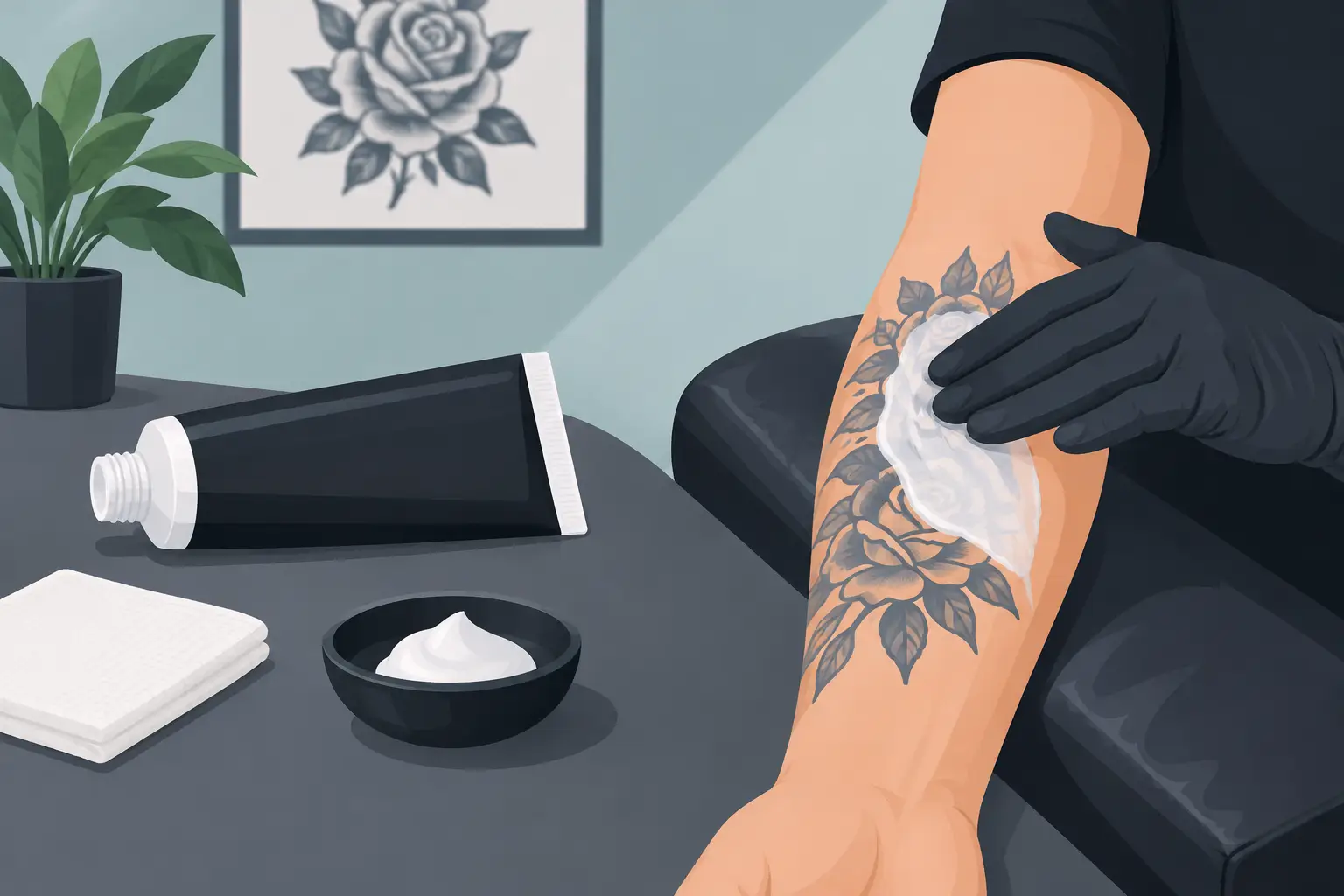
A tattoo appointment is not the time to gamble on an unknown numbing product or rush the preparation. Knowing how to use TKTX numbing cream properly can make the session feel more manageable, but the result depends on choosing genuine stock, following the instructions supplied with your specific product and giving your skin the right preparation.
TKTX creams are not one-size-fits-all. Some are designed for deep numbing, others for faster onset, and the right choice can depend on the procedure, the body area and how long you expect to be in the chair. Start with the product directions, your artist or practitioner’s guidance and a sensible safety check – not advice from a random marketplace listing.
Start with the right TKTX cream
Before you apply anything, make sure the cream matches your planned treatment. For longer tattoo sessions and procedures where deeper numbing is preferred, Yellow and Black are commonly selected as deep-numbing options. Gold, Red and White are designed for customers looking for fast numbing, while Deep Blue has its own intended use. A mid-procedure gel is different again: it is for use once the skin has been opened during a procedure, not as a replacement for pre-procedure cream.
Your tattoo artist may have a preference based on the placement, style and length of your appointment. Ask before you arrive. Some studios have clear policies on topical products because creams can affect how they prepare the skin or work during the session.
Buy carefully, too. Counterfeit numbing creams can use copied packaging, vague instructions and questionable ingredients. A lower price is not a saving if the product does not arrive, does not perform as expected or causes an avoidable skin reaction. Check the packaging, batch details and instructions when your order arrives, and do not use a product that looks tampered with, damaged or different from what you ordered.
Safety checks before using numbing cream
Topical numbing products are intended for external use on suitable skin only. Read the full label and enclosed instructions for your exact TKTX product before application, even if you have used a similar cream before. Formulas and directions can differ.
Do not apply cream to broken, irritated, sunburnt, infected or actively inflamed skin unless the product instructions and a qualified practitioner specifically say it is appropriate. Keep it away from eyes, inside the mouth and other sensitive areas not named on the label. If you are booking semi-permanent make-up, an intimate procedure or treatment close to the face, speak to the practitioner first. They should confirm what can be used safely in that area.
A patch test is a sensible precaution, particularly if this is your first time using a topical numbing product or you have sensitive skin. Use it well before the appointment, exactly as the product directions allow, on a small area of intact skin. Stop using the product if you develop redness, itching, swelling, blistering or a burning sensation beyond mild temporary tingling.
If you have an allergy to local anaesthetics or any listed ingredient, a history of significant skin reactions, heart or liver conditions, are pregnant or breastfeeding, or take regular medication, get advice from a pharmacist, GP or qualified clinician before use. The same applies if the treatment is for anyone under the age stated on the product packaging. More cream is never a shortcut to better results.
How to use TKTX numbing cream step by step
The product pack is the final authority on timing, amount and whether the area should be covered. That said, this preparation routine helps prevent the most common mistakes.
- Plan backwards from your appointment. Check the product’s stated application time and leave enough time to prepare without arriving late. Do not apply it in the car park or just as your artist is ready to begin.
- Clean and dry the area. Wash the intended area gently to remove dirt, oils, skincare, fake tan and deodorant residue. Dry it thoroughly. Cream applied over oily or damp skin may not sit evenly.
- Apply an even layer as directed. Use clean hands or a clean applicator. Cover only the treatment area and avoid spreading it far beyond where it is needed. Follow the pack guidance on how much to apply. A very thick layer does not automatically mean stronger or longer-lasting numbing.
- Cover only if your instructions tell you to. Some topical creams require an occlusive covering to help the product work; others may give different directions. If covering is specified, keep the covering clean and secure, but do not wrap the area tightly enough to cause discomfort or restrict circulation.
- Remove it at the correct time and follow studio guidance. Wipe away the cream as instructed, wash the area if required and arrive with clean skin. Tell your artist or practitioner what you used, when you applied it and whether you had any reaction. They may need to prep the skin again before starting.
Never use a heat source, tight bandage or extra products to try to speed up the effect unless the instructions expressly tell you to. Heat and excessive coverage can change how topical products absorb and increase the risk of unwanted effects.
Timing matters more than rushing
A frequent disappointment is removing the cream too early, or applying it so late that it has not had time to work before the first line begins. The opposite problem is leaving it on longer than directed because a friend said it would make the numbness last all day. Both approaches can lead to inconsistent results and unnecessary skin irritation.
Set a reminder based on the instructions for your particular tube. Factor in travel time, the artist’s own skin-prep routine and the fact that numbing effect varies from person to person. Placement matters as well. Bony, sensitive areas such as ribs, feet, sternum and hands can still feel intense, even with careful preparation.
During a tattoo or cosmetic procedure
Pre-numbing cream is generally applied to intact skin before the procedure begins. Once tattooing, piercing or certain cosmetic work has started, the skin is no longer intact. That is where a product specifically intended for mid-procedure use, such as a suitable numbing gel, may be considered by the artist or practitioner according to its instructions.
Do not apply more pre-numbing cream to broken skin on your own. Your artist should decide whether a mid-procedure product is appropriate and how it fits their process. This protects both the treatment result and your skin.
Numbing can reduce discomfort, but it does not remove every sensation. You may still notice pressure, vibration, pulling or discomfort as the appointment continues. Eat a proper meal beforehand, drink water, wear comfortable clothing that gives easy access to the area and tell your artist early if you feel faint, unwell or unusually distressed.
What can affect your result
Even genuine TKTX numbing cream will not perform identically for every person. Skin thickness, body area, circulation, anxiety levels, the duration of the appointment and correct application all play a part. Heavily moisturised skin, oils, sweat and poor timing can all reduce consistency.
It also depends on the procedure. A small wrist tattoo may need a different approach from a large back piece, laser removal or a semi-permanent make-up appointment. That is why colour-based product selection is useful, but it should sit alongside the supplied directions rather than replace them.
Avoid experimenting with multiple numbing products at once. Mixing creams, sprays, gels or other active products can make it difficult to judge your total exposure and increases the chance of irritation. If a practitioner is using a mid-procedure product, tell them exactly what you applied before the appointment.
When to stop and get help
Remove the cream and seek medical advice if you experience a marked rash, swelling, blistering, severe burning, dizziness, nausea, breathing difficulty, chest discomfort, confusion or an irregular heartbeat. Serious reactions are uncommon, but they need prompt attention. For breathing difficulty, facial swelling or symptoms that feel severe, seek urgent medical help.
For normal post-treatment care, follow your tattoo artist or practitioner’s aftercare instructions rather than adding numbing cream to healing skin. A healing tattoo is an open wound, and products intended for intact skin are not automatically suitable for aftercare.
A calm, well-prepared appointment starts long before the needle or treatment begins. Choose genuine stock, use the exact directions supplied, respect your practitioner’s process and give yourself enough time to prepare properly. That is the simplest route to a more comfortable session – and a better experience from the chair onwards.