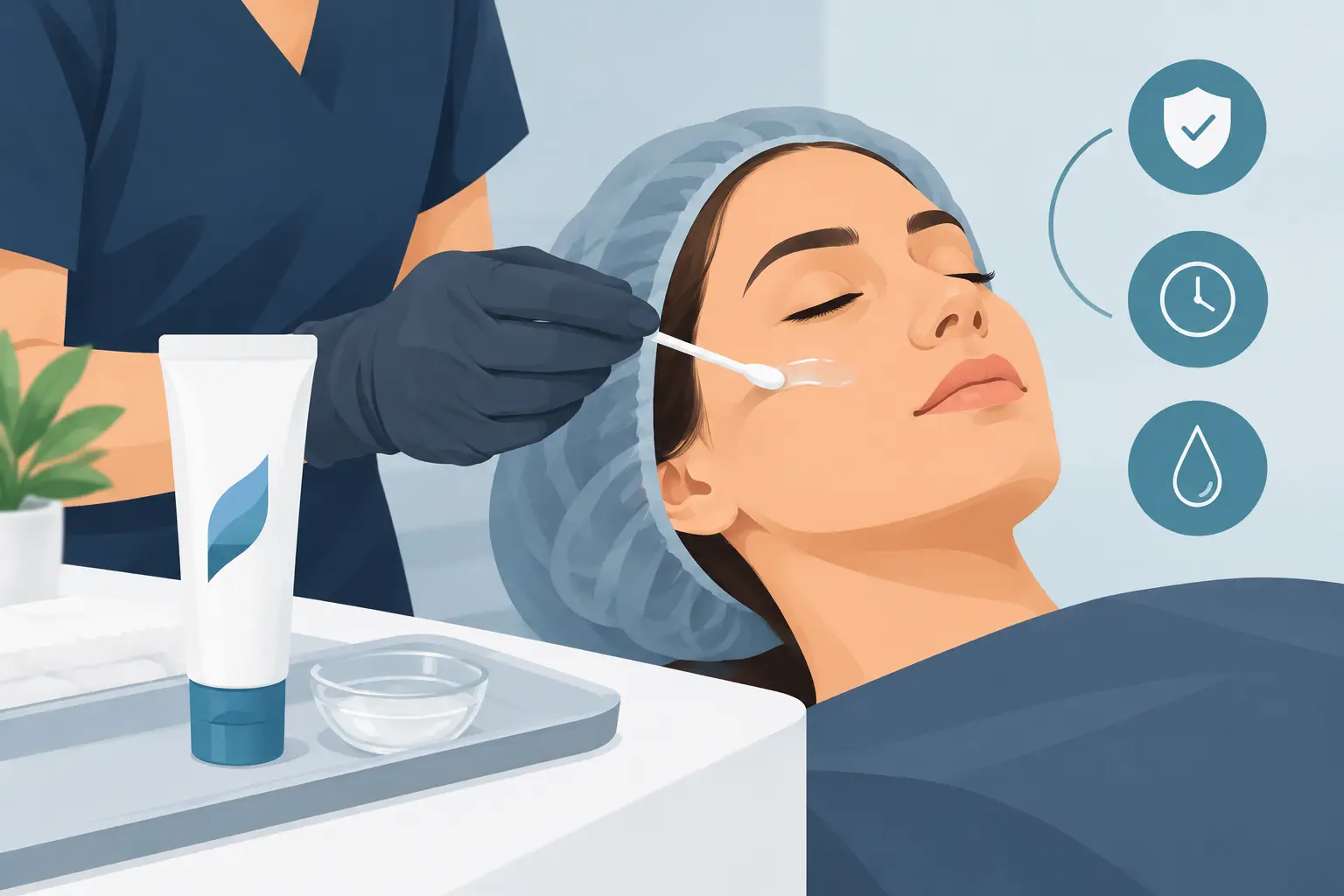
A long tattoo session can feel completely different once the skin has been worked for an hour or two. That is where TKTX mid procedure gel is designed to fit: not as a replacement for your pre-procedure numbing cream, but as practical support when discomfort starts to build during an appointment.
For clients, the goal is simple: stay comfortable enough to sit well, communicate clearly and let your artist or practitioner continue with care. For studios, the goal is equally clear: use products that are suitable for the stage of treatment, sourced properly and applied with a consistent process.
What Is TKTX Mid Procedure Gel?
TKTX mid procedure gel is intended for use during a procedure, once work has already begun and the skin is being treated. It is commonly considered for longer tattoos, detailed shading, sensitive placements, semi-permanent make-up and other cosmetic procedures where a client may need added comfort part way through.
This matters because a mid-procedure product has a different job from a pre-numbing cream. Pre-procedure creams are selected to prepare intact skin before an appointment. A gel used during treatment is selected for the moment when the procedure is underway, the area has been worked and a pause is possible.
The distinction is not marketing language. Applying the wrong type of product at the wrong stage can lead to poor preparation, wasted product or a disrupted session. Your artist or practitioner should always be comfortable with the product being used and decide whether it is appropriate for the treatment area.
When TKTX Mid Procedure Gel Makes Sense
Mid-procedure gel is most useful when the appointment is likely to run for several hours, when a client is struggling to remain settled, or when the next stage of work is particularly detailed. Fine-line work, heavy shading and repeat passes over a tender area can all change how a session feels.
It can also be a sensible option where the tattoo artist has planned a natural break. Rather than pushing through increasing discomfort, the artist can assess the skin, clean the area and decide whether using the gel aligns with their working method. The client gets a moment to reset, and the artist retains control of the process.
That said, it is not automatically needed for every appointment. A small tattoo completed quickly may not require mid-session support at all. Some artists prefer to work without any numbing products, while others have an established approach for particular placements or longer sittings. Ask before your appointment rather than arriving with assumptions.
Pre-Numbing Cream and Mid-Procedure Gel Are Not Interchangeable
A common mistake is treating every numbing product as though it works in exactly the same way. It does not. Your selection should follow the procedure timeline.
Choose a suitable pre-procedure cream when you need to prepare before tattooing or treatment starts. This is the point at which deeper or faster pre-numbing options may be considered, depending on the area, your sensitivity and the type of procedure. TKTX colour-coded creams make that choice easier, but the label directions still matter.
Choose TKTX mid procedure gel when treatment is already in progress and your practitioner agrees it is suitable. It is there to support a managed pause, not to be rushed on immediately before the first line. If you are planning a lengthy appointment, discuss both stages with your artist in advance so you are not trying to solve comfort issues mid-session without a plan.
How to Use Mid-Procedure Gel Responsibly
Your artist or practitioner should lead the application process during the appointment. They understand the treatment area, how the skin is responding and when a break will cause the least disruption. Do not apply a product to an active treatment area without their agreement.
Start by following the instructions supplied with the genuine product exactly. The treated area should be assessed and prepared by the practitioner, who can apply the appropriate amount and allow the recommended time before continuing. More product is not automatically better. Over-applying, guessing at timings or mixing products can make the appointment harder to manage.
Keep the gel away from eyes, mouth and other sensitive areas unless the product directions specifically state otherwise. Do not use it on areas where it is unsuitable, and stop using it if you experience an unexpected reaction. If you have allergies, a skin condition, are pregnant or breastfeeding, take medication, or have any health concern that could affect topical-product use, seek advice from a qualified healthcare professional before your booking.
A patch test may be sensible where advised on the product guidance, particularly if you are using a numbing product for the first time. It is a small step that can prevent a much bigger problem on the day.
What Clients Should Tell Their Artist Before Booking
Good preparation begins before you sit in the chair. Tell your artist if you have used a pre-numbing cream, whether you are bringing mid-procedure gel and whether you have had a reaction to topical products in the past. Be honest about the placement too. Ribs, sternum, feet, hands and other sensitive areas often need a more realistic comfort plan than an upper-arm design.
It also helps to explain the length of your appointment and whether you have sat for tattoos before. A first-timer may be anxious about pain, while an experienced collector may know that a particular area becomes difficult after several hours. Neither situation is a problem when it is discussed early.
Numbing support can improve comfort, but it cannot guarantee a pain-free appointment or make every session feel the same. Hydration, food, sleep, stress levels, placement and the duration of the procedure all affect your experience. Arrive well rested, eat a proper meal and follow your artist’s pre-appointment advice.
Why Genuine TKTX Mid Procedure Gel Matters
A product applied during a tattoo or cosmetic procedure should never be chosen on price alone. Counterfeit topical products can come with unclear ingredients, misleading strength claims, poor packaging or no reliable handling information. At best, they waste your money. At worst, they can create uncertainty at the exact point when you need confidence in what is being used on your skin.
Be cautious with marketplace listings that use copied images, vague product descriptions, unusually low prices or claims that sound too good to be true. Certificates can be copied, and packaging alone is not proof of authenticity. Non-delivery and stock that does not match the listing are also common risks with unverified sellers.
TKTX Tattoo focuses on genuine, authenticated stock so customers and practitioners can buy with greater confidence. That reassurance is particularly valuable for a mid-procedure product, because there is no time in the middle of an appointment to question what is in the tube or whether it is appropriate to use.
A Better Plan for Long Appointments
The best numbing strategy is planned, not improvised. If your session is long or the placement is known to be challenging, speak to your artist when you book. Ask whether they accept pre-numbing products, whether they are happy to use a mid-procedure gel and when they would prefer it to be applied.
Bring only genuine, sealed product, check the directions before the day and allow enough time for the process. If your artist advises against using it, respect that decision. Their priority is the quality of the work, the condition of your skin and completing the appointment safely.
Comfort should help you stay present in the chair, not add another concern to your treatment. Choose the right product for the right stage, buy from a source you can trust and let your practitioner guide the timing. Happy Numbing!