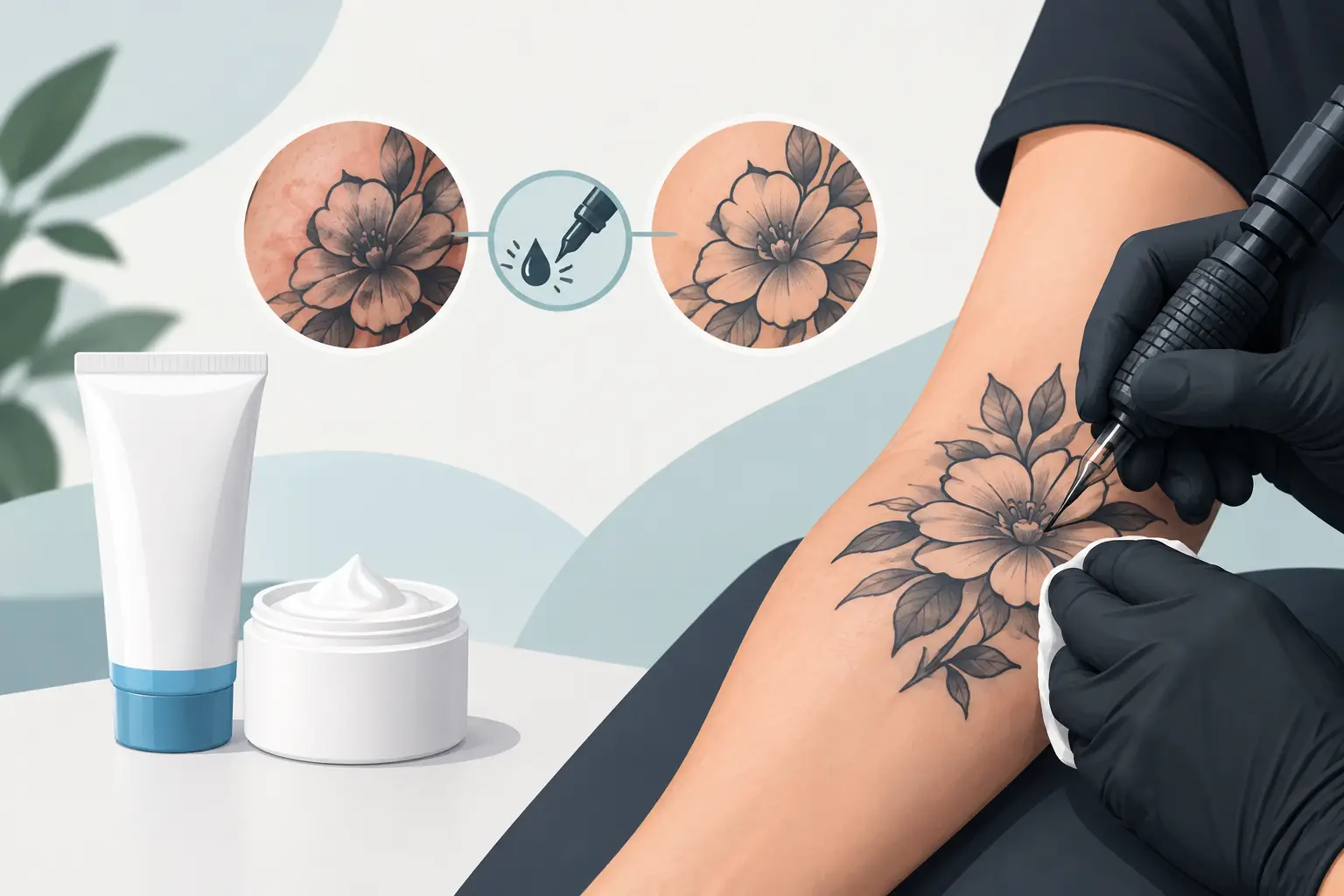
A painful sitting can make even a well-planned tattoo feel much longer than it needs to. So, does numbing cream affect tattoo ink? When you use a genuine product correctly and follow your artist’s guidance, numbing cream should not damage tattoo ink or stop it settling properly. The real risks usually come from poor application, unsuitable products and counterfeits with unknown ingredients.
Your artist is working with your skin, not simply the surface of it. Anything that changes how your skin feels, stretches, bleeds or reacts can affect the session. That is why choosing the right numb, applying it properly and being honest with your artist matter far more than chasing the cheapest cream online.
Does numbing cream affect tattoo ink during a session?
A quality topical numbing cream is designed to reduce discomfort before a procedure. It does not reach into the skin and dissolve pigment, bleach an existing tattoo or chemically alter the ink your artist uses. Used as directed, it is there to make the appointment more manageable, particularly for larger pieces, sensitive placements or clients who struggle with long sessions.
However, tattooing is not identical for every person. Some numbing products can temporarily change the feel of the skin. Depending on the formula, your skin may become slightly firmer, paler, more hydrated or less responsive for a period. An experienced artist can usually work with this, but they need to know what has been applied and when.
The concern is not that legitimate numbing cream somehow ruins ink. The concern is that over-application, incorrect timing or an untrustworthy formula can create skin conditions that make tattooing more difficult. If skin becomes overly soft and waterlogged under an occlusive wrap, for example, it may be harder to work cleanly. If a product irritates your skin, the artist may need to delay or stop the appointment.
This is also why your tattoo artist’s policy comes first. Some studios welcome pre-numbed clients, some want you to use a specific product, and others prefer no cream at all. Ask before applying anything. Turning up covered in a product your artist has not approved puts both your comfort and your tattoo result at risk.
The bigger issue: how numbing cream changes the skin
The best tattoo work relies on stable, healthy skin and a skilled artist who can judge depth, saturation and healing. Numbing cream can support that process when it is used responsibly, but it is not a free pass to ignore preparation.
A thick layer left on for too long may cause excessive moisture at the surface. This is sometimes called maceration. Skin can look pale, wrinkled or spongey, and that is not an ideal starting point for tattooing. Equally, applying a cream too close to the session may mean it has not had time to work, tempting the client to add more at the last minute.
Some formulas may also temporarily reduce redness or bleeding in certain users. That can make the skin look different while the tattoo is being done. It does not automatically mean the finished tattoo will heal badly, but it is another reason the artist should know exactly what you have used. A professional will adjust their approach based on the skin in front of them, not guess what is underneath a layer of cream.
There is a trade-off worth understanding. Stronger deep-numbing products can be useful for demanding areas and longer appointments, yet they need careful timing and preparation. Faster-numbing options may suit shorter work or clients who need a quicker start. The correct choice depends on the placement, the expected session length, your skin and your artist’s preferences – not simply the strongest percentage printed on unfamiliar packaging.
Why counterfeit cream is a genuine tattoo risk
This is where customers need to be cautious. Marketplace listings can use copied images, vague ingredient information, fake certificates or colour-coded packaging that looks convincing at first glance. A tube labelled as a familiar brand is not proof that the cream inside is genuine.
Counterfeit numbing cream is a problem because you cannot rely on its strength, hygiene standards or ingredient list. It may numb unevenly, do nothing at all, irritate the skin or leave an oily residue that your artist then has to manage. That unpredictability is far more likely to interfere with the tattoo process than a properly sourced product used to its instructions.
Avoid buying on price alone. A bargain that arrives with poor printing, missing batch details, no clear directions or an unusually strong chemical smell is not worth testing on skin that is about to be tattooed. If there is any doubt, do not use it for your appointment.
TKTX Tattoo focuses on genuine, clearly selected TKTX numbing products because confidence in what you are applying matters. Whether you need a deep numb before a larger tattoo or a suitable gel for use partway through a session, product legitimacy is part of tattoo preparation, not an optional extra.
How to use numbing cream without compromising your appointment
Start with your artist. Send them the product name, tell them whether it is pre-numbing cream or a mid-procedure gel, and ask how they want you to prepare. Do this before the day of the tattoo, not while you are travelling to the studio.
Then follow the instructions supplied with the genuine product exactly. More cream does not automatically create a better numb. Applying too much, covering too large an area, leaving it on longer than directed or wrapping it carelessly can make the skin overly moist and may increase the chance of an unwanted reaction.
Clean skin matters. Do not apply numbing cream over fake tan, heavy moisturiser, body oil, perfume, alcohol-based products or damaged skin unless the product instructions specifically say it is suitable. Give yourself enough time to remove the cream completely before your artist begins. The area should be clean and dry, with no leftover film for the stencil or needles to contend with.
If you are using numbing cream for the first time, do not make tattoo day your first experiment. Follow the manufacturer’s patch-test advice well ahead of the appointment. Stop use if you experience burning, pronounced redness, swelling, a rash or any other concerning reaction. If you have a skin condition, allergies, are pregnant or breastfeeding, take medication, or have a health concern that could affect treatment, speak to an appropriate healthcare professional before use.
Do not use numbing cream to push through a session your body is not coping with. Eat properly beforehand, drink water, rest if your artist recommends it and speak up if you feel unwell. Numbing supports comfort; it does not replace sensible aftercare or communication.
Will numbing cream affect how a tattoo heals?
Once the tattoo has been completed, the healing process is driven mainly by the quality of the tattoo application, your skin, hygiene and aftercare. Pre-numbing cream that has been removed before the session should not continue to affect the ink days later. The pigment is placed in the dermis by the artist, while topical cream works at the skin’s surface and nearby nerve endings.
Healing issues are more likely if the skin was irritated before tattooing, if the area was overworked, or if aftercare is poor. Keep the fresh tattoo clean, use only the aftercare your artist recommends and resist the urge to scratch, soak or pick it. A properly healed tattoo is the best protection for colour, lines and saturation.
There can be exceptions. If you reacted to the cream, tell your artist and monitor the area carefully. If redness spreads, pain worsens rather than settles, you develop unusual swelling, discharge or feel unwell, seek medical advice promptly. Do not assume every problem is normal tattoo healing.
A better question to ask before you numb
Rather than asking only whether numbing cream affects tattoo ink, ask whether this exact product is appropriate for your exact appointment. A legitimate product, matched to the job and used within its directions, gives you the best chance of being comfortable without creating avoidable problems for your artist.
Choose authenticity over a suspiciously cheap tube, prepare the skin carefully and get approval from the person doing the tattoo. That small amount of planning can make the chair feel easier and lets your artist focus on what matters most: giving you clean work you will be proud to wear. Happy Numbing!