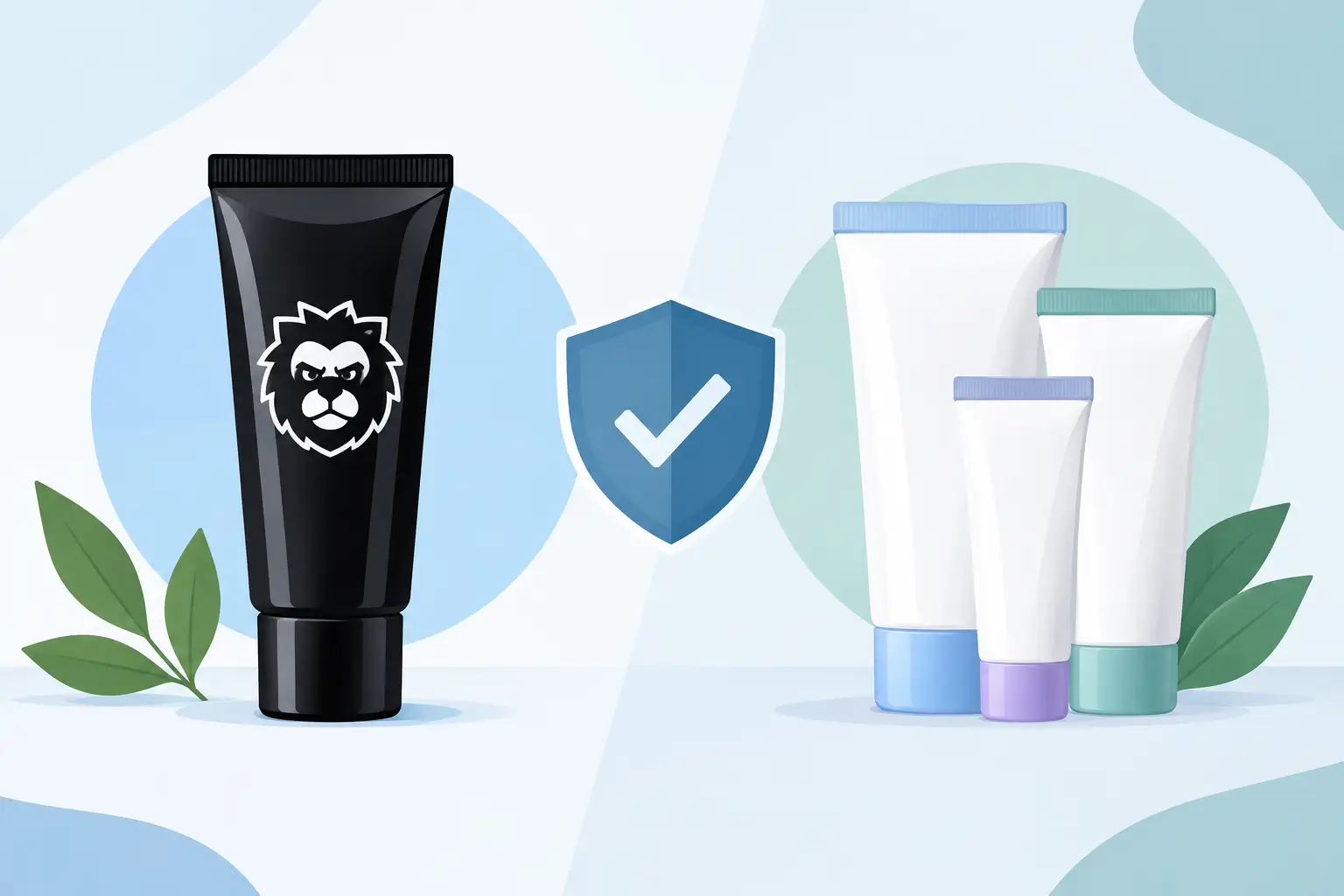
A tube of numbing cream can look convincing in a marketplace listing. The photos may show familiar colours, bold strength claims and even a badge that appears to confirm authenticity. But when comparing TKTX versus marketplace creams, the key difference is rarely the image on the screen. It is whether you can trust what is actually inside the tube, where it came from and whether it is appropriate for the procedure ahead.
For a tattoo, piercing, laser appointment or cosmetic treatment, this is not a small detail. You are applying the product to skin before a procedure that may last hours. Saving a few pounds is not much of a saving if the cream does not perform as expected, arrives too late, causes uncertainty on the day or leaves you questioning what you have used.
Why marketplace listings create a risk
Online marketplaces are built for volume. Different third-party sellers can use similar titles, copied photographs and claims that are difficult to verify before an order arrives. A listing may call a cream “original”, “maximum strength” or “professional”, yet offer little useful information about its supply chain, batch consistency or intended use.
The issue is not that every marketplace seller is dishonest. The issue is that the customer often has no reliable way to separate genuine stock from copied packaging, old stock, wrongly stored products or outright counterfeits. That uncertainty matters more with topical numbing products than it does with an ordinary accessory.
Counterfeit products can imitate the colours and wording customers recognise. Packaging alone is not proof. Certificates displayed in product images can also be misleading, unrelated to the item being sold or impossible to check. Once a tube has arrived, it is usually too late to establish whether the seller’s claims were accurate.
There is also a practical problem: marketplace listings frequently combine multiple variants under one product page. Reviews may relate to a different seller, size or formula than the version currently being offered. A five-star review does not necessarily confirm that the tube in your basket is the same product received by the reviewer months earlier.
TKTX versus marketplace creams: what you are actually comparing
The comparison is not simply branded cream versus unbranded cream. It is traceable, clearly selected stock versus an unknown quantity. A genuine product should come with a clear purpose, understandable guidance and a seller prepared to stand behind what they dispatch.
With a specialist retailer, selection starts with your treatment and the type of numb you need. Some customers want a deeper numb for longer tattoo sessions. Others need a faster option before a shorter appointment, while a mid-procedure gel may be relevant when work is already under way. These are different needs, and treating every tube as interchangeable is where poor buying decisions start.
TKTX Tattoo keeps this choice straightforward with colour-based options. Yellow and Black are deep-numbing choices for customers seeking the strongest level of numb. Gold, Red and White are fast-numbing options, while Deep Blue provides another cream option and the gel is designed for use during a procedure. The right choice still depends on your skin, treatment area, timing and practitioner’s advice, but clear product differentiation gives you a proper starting point.
Marketplace listings often reduce that decision to a dramatic strength percentage or a vague promise of “zero pain”. Be cautious with absolute claims. Numbing results vary between individuals, and factors such as skin condition, preparation, application time, body placement and the procedure itself all affect the result. Honest guidance helps you prepare properly rather than promising something no topical cream can guarantee.
The hidden cost of a cheaper tube
Low prices attract attention, particularly when a tattoo appointment is expensive already. Yet the cheapest listing can create the most costly outcome. The tube may never arrive, may arrive after your appointment, or may be different from the listing you trusted. If it does not provide the expected effect, you can be left facing a long session without the comfort you planned for.
More seriously, an unknown product may raise concerns about skin and ink quality. Your artist or practitioner needs to work on skin that has been prepared appropriately. A cream of uncertain origin, unclear ingredients or questionable storage history gives neither you nor them much confidence. Reputable practitioners may refuse to use a product they cannot identify, and that is a sensible professional boundary.
Price also needs to be viewed alongside support. A marketplace seller may offer a basic returns process, but that does not replace knowledgeable pre-purchase guidance. First-time clients often need simple answers: which colour suits a long tattoo session, when should the cream be applied, can it be used for semi-permanent make-up, and is a fast or deep numb more suitable? These are not questions a generic listing is designed to answer well.
What to check before you buy numbing cream
Start with the seller rather than the product photograph. Look for a specialist business that explains the range, names the purpose of each variant and offers real customer support. Be wary of copied product descriptions, unusually broad claims and listings that cannot explain which version is being supplied.
Check whether the retailer gives clear ordering and dispatch information. If your appointment is close, vague delivery estimates are not enough. At TKTX Tattoo, orders placed before 2pm on weekdays are dispatched the same day, giving customers a clearer chance to plan ahead. Still allow enough time before your appointment. Leaving a numbing product purchase until the night before creates unnecessary pressure, even with quick dispatch.
Read the product guidance carefully and follow it exactly. Do not apply numbing cream to broken, irritated or infected skin. Avoid using it if you have a known sensitivity to any ingredient, and seek advice from a qualified healthcare professional if you are pregnant, breastfeeding, taking medication, have a medical condition or are unsure whether it is suitable for you. Your tattoo artist, clinic or practitioner may also have their own preparation rules, so confirm those before applying anything.
Finally, use common sense around claims. No seller can honestly promise that every person will have the same experience. A trustworthy retailer will help you choose a product and use it correctly, while being clear that individual results can differ.
Why authenticity matters to artists and practitioners
For professionals, buying from a reliable source is about more than client comfort. It supports a more predictable appointment. When clients arrive with products bought from unknown marketplace sellers, artists and technicians may have no idea what has been applied, how long it has been on the skin or whether it could affect the area being treated.
Studios and practitioners ordering for repeat use need consistency. They benefit from knowing which product they are purchasing, how to guide clients and where to turn if a question arises. Bulk buying can make sense for regular demand, but only when the stock source is one you would be comfortable recommending to every client.
Customers also benefit when they tell their practitioner in advance what they plan to use. That conversation is especially useful for larger tattoos, sensitive areas, laser removal and semi-permanent make-up. It gives the professional a chance to explain timing, suitability and any policy they have about topical products.
Buy for your appointment, not the listing price
The safest purchase is the one that fits the treatment, arrives in time and comes from a source that can explain what it sells. A discounted tube with copied images and a questionable origin is not a useful bargain when your skin and appointment are involved.
Choose your numb type with the same care you would give to selecting your artist or clinic. Confirm your appointment requirements, order with time to spare and buy from a retailer that treats authenticity as part of the product, not an optional extra. Happy Numbing!